
We have had a taste of the basic science behind climate change. With COP26 having come to an end last Friday, lets look at what climate change has and will do to the planet.
Briefly, the major consequences include: extreme heat (a warmer planet), extensive flooding and droughts (not everywhere though), a big melt (bye bye glaciers), rising sea levels and stormy weather, and ravaged ecosystems (a price tag for life, inclusive of all species, on the planet).
Rising Temperatures
Much of climate change often boils down to discussing the effects of an average rise in Earth’s temperature. Remember, small changes in climate can equate to major effects around the world. The “Ice Age” was caused by an average drop of just 50C over a time period of thousands of years. So, what can we say about the opposite scenario? What will happen if the Earth’s average temperatures increase a few degrees in just a few hundred years?
Note the shorter time span. Why? Well, humans, as a species, have had quite the impact on our planet and not necessarily a positive one. Picking up around the era of industrialization, we have come far and have meted out a measurable influence on the biosphere.
Climate change is our handprint on this planet. Scientists widely agree that human activity, rather than any natural progress, is the primary cause of accelerated global warming. Global warming is a significant increase in the Earth’s climatic temperature over a short period of time due to human activity.
Our greatest influence has been the emission of greenhouse gases such as carbon dioxide, methane, and nitrous oxide, thanks to the heavy utilization of fossil fuels. This is and remains (especially in light of the soft conclusive statements from COP26, but more on that later) a big deal. Natural climactic changes follow rises and falls in temperature amounting to 10C over thousands of years. Earth’s climate can change due to volcanic activity, plant life, solar radiation, and atmospheric chemistry. Significant evidence from the Intergovernmental Panel on Climate Change (IPCC) has confirmed our role in accelerating these changes over shorter time periods.
We now live in the Anthropocene epoch (the term is yet to be officially recognized), a proposed period of time dating from when humanity has had a significant impact on the planet’s biosphere including, but not limited to, climate change.
Glaciers and Ice Shelves
One of the most publicized effects of global warming is the melting of glaciers and ice shelves. This is quite a problem as ice plays a prominent role in reflecting solar radiation away from Earth. The loss of large surfaces areas of ice could accelerate global warming.
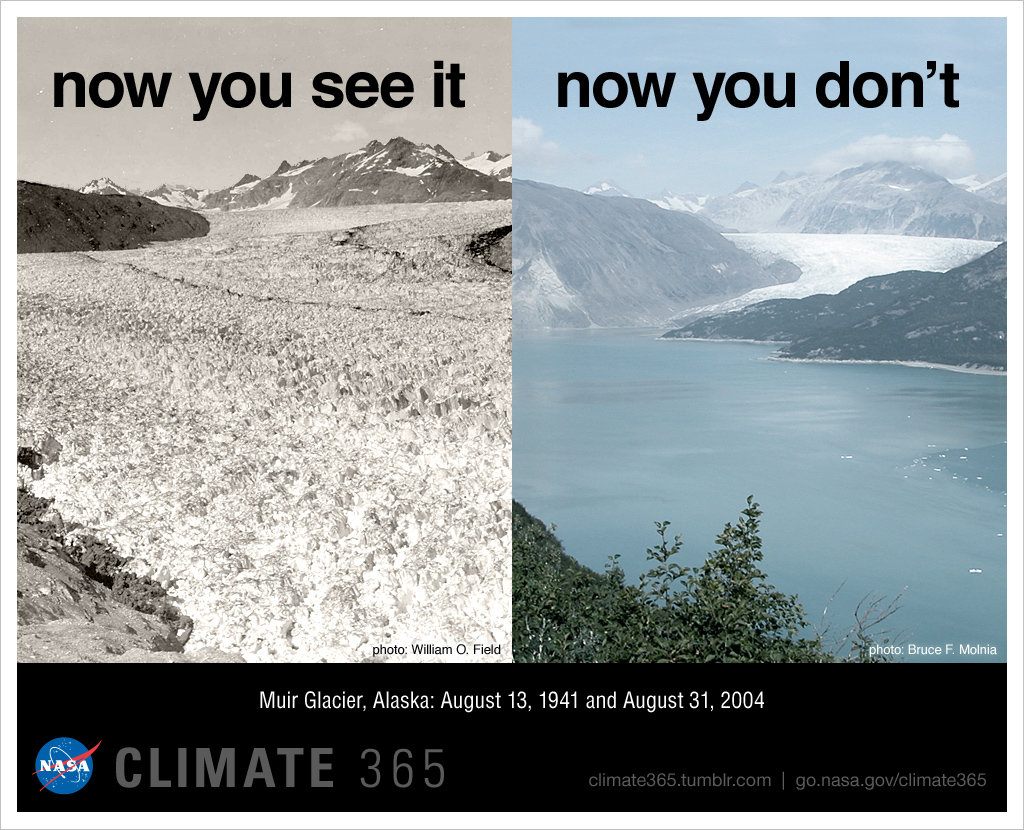
An immediate result of melting glaciers would be the rise in sea levels. As glaciers melt, they are adding to the water already in the Earth’s oceans. While the rise in sea level may be modest, amounting to an inch or two, this can still cause various problems, like the flooding of low-lying coastal areas. The scenario is particularly dire if the West Antarctic Ice sheet were to melt. This would push sea levels up to 10 meters, and many coastal areas would completely disappear.
Research predictions indicate rising sea levels up to 22 inches by the year 2100. As of now, the main big melt is occurring in the North Pole where the ice is not as nearly thick as at the South Pole. Nevertheless, we cannot ignore the possibility of a summation of gradual increases in temperature to slowly but surely affect all corners of the planet.

The Age of Storms
With a rise in the overall temperature of the ocean, tropical storms and hurricanes will increase in force. This is most evident in the North Atlantic where ocean temperatures have risen through long-term warming and the cyclical nature of Atlantic currents. Think of it as a cyclic storm generator. In fact, the tropics as a whole are experiencing a general trend towards ocean warming that follows global warming.
Now, this doesn’t automatically mean that one can attribute any single devastating hurricane or weather event directly to global warming. This pretty much happened when Hurricane Katrina ravaged New Orleans in 2005. While the devastation and damage caused to the city were horrible, Katrina’s impact was the result of various factors including the storm’s track, the weaknesses of levees, and a slew of other reasons.
When it comes to global warming, the verdict is a rising frequency in stormy weather with significantly stronger winds and rainfall.
A Changing of the Seasons
Global warming will result in a lengthening of the seasons.
While variance in seasonal cycles may benefit certain parts of the world, other temperate parts of the world would find themselves facing long droughts and a general decrease in precipitation.
This will be particularly influential for ecosystems that currently thrive on the planet. Ecosystems are delicate and even the slightest changes can kill off several species. Ecosystems are also interconnected and so what may begin as a simple event may develop into a chain reaction that will ravage the biosphere.
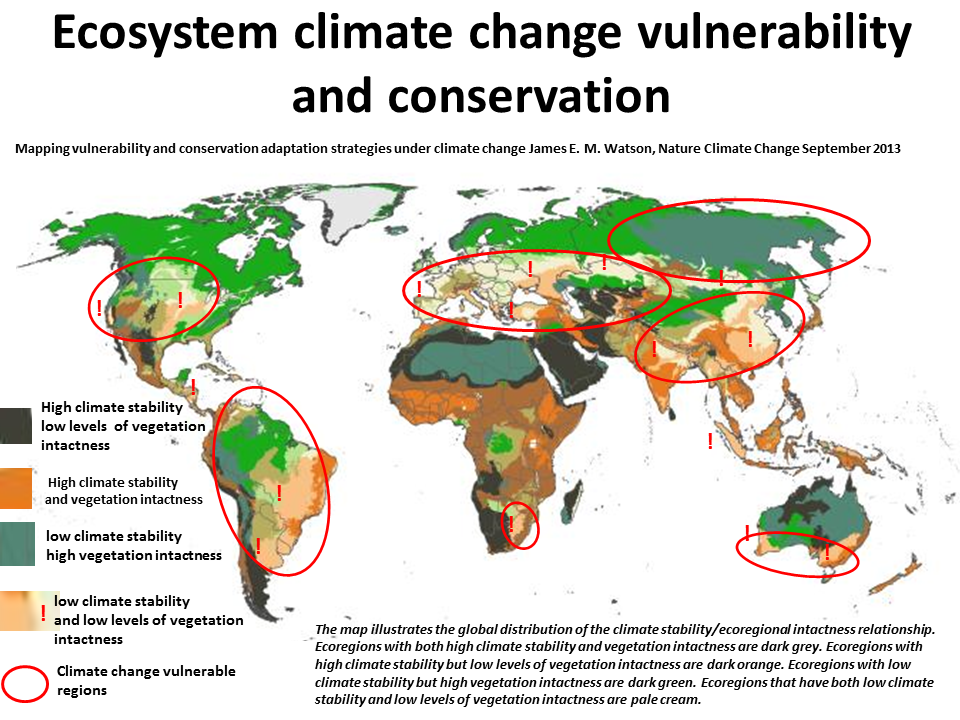
Life will once again become a competitive market focused around a species’ ability to adapt to the shifts in climate though it is highly likely that many will become extinct. The most drastic example of change, in light of global warming, is actually displayed in the documentary Planet Earth where we are shown how the tundra in Northern Canada has turned mostly to forest.
Humanity is not exempt from the impact of these changes. There is a human cost in all of this. We can expect a greater number of medical occurrences involving heatstroke and other heat related trauma. Poor and underdeveloped nations will suffer the worst effects as they do not have the financial resources to deal with the problems that follow (another major contention in the recent COP26). Prolonged droughts may lead to desertification of areas and widespread starvation. Decreasing precipitation would limit crop growth, and coastal flooding would result in a spread of water-borne illnesses. All in all, the world’s economy will take a wallop, and so will the condition of life on Earth.

It Does Not Compute!
Despite all the evidence, public opinion regarding climate change has been divided, with many believing global warming to be a farce. In Part 4, we will bring this discussion series to a conclusion by addressing the recent developments at COP26, what we can expect for the future, and the increasing need for open communication and incentive toward action to resolve this global crisis.


